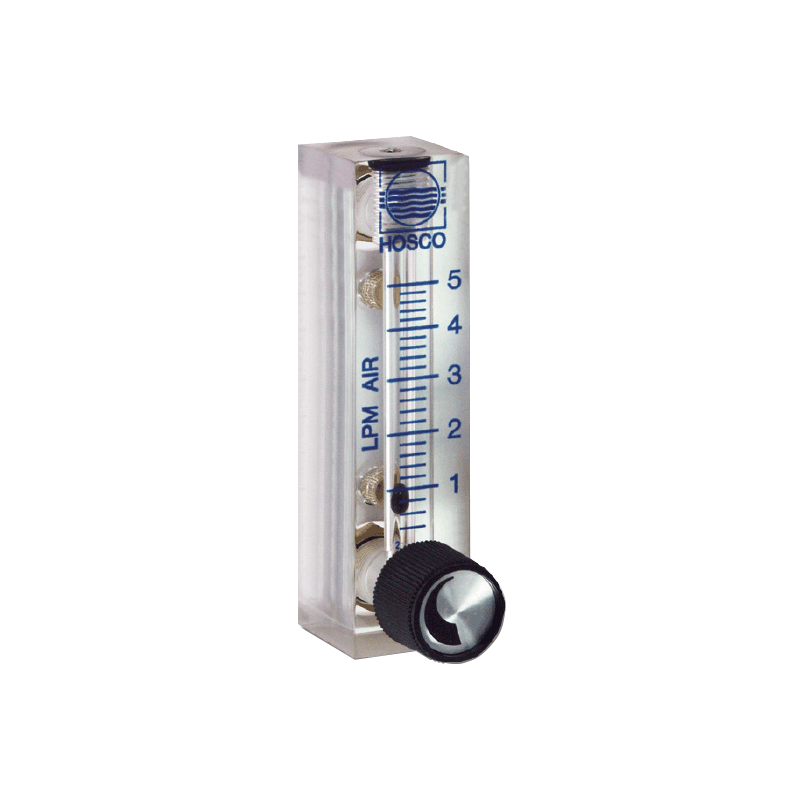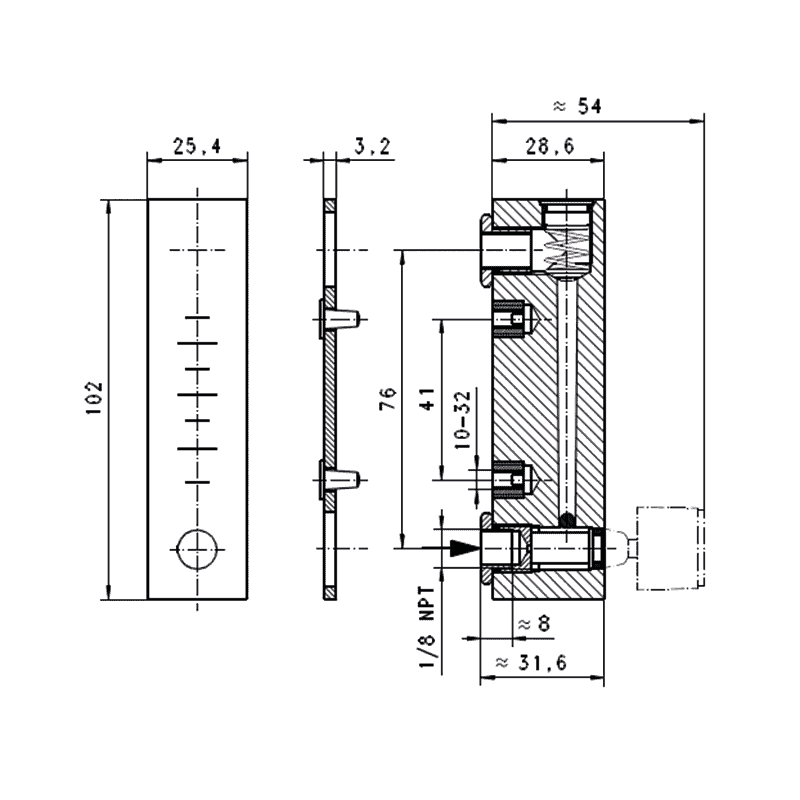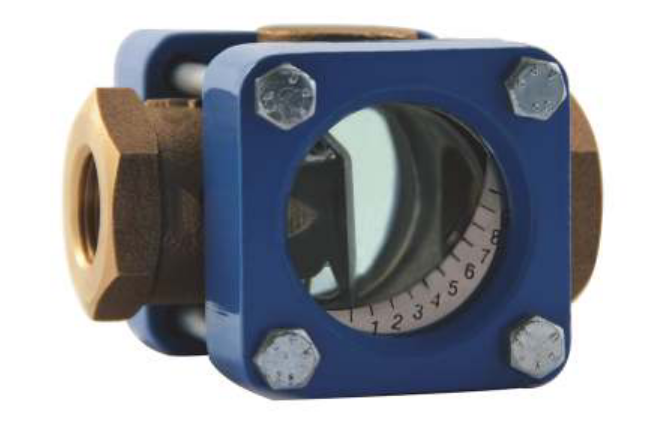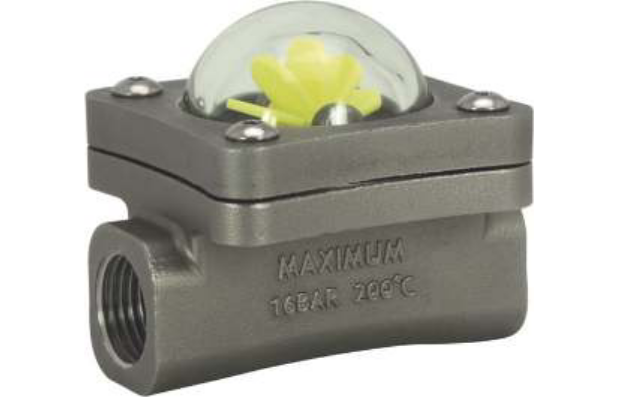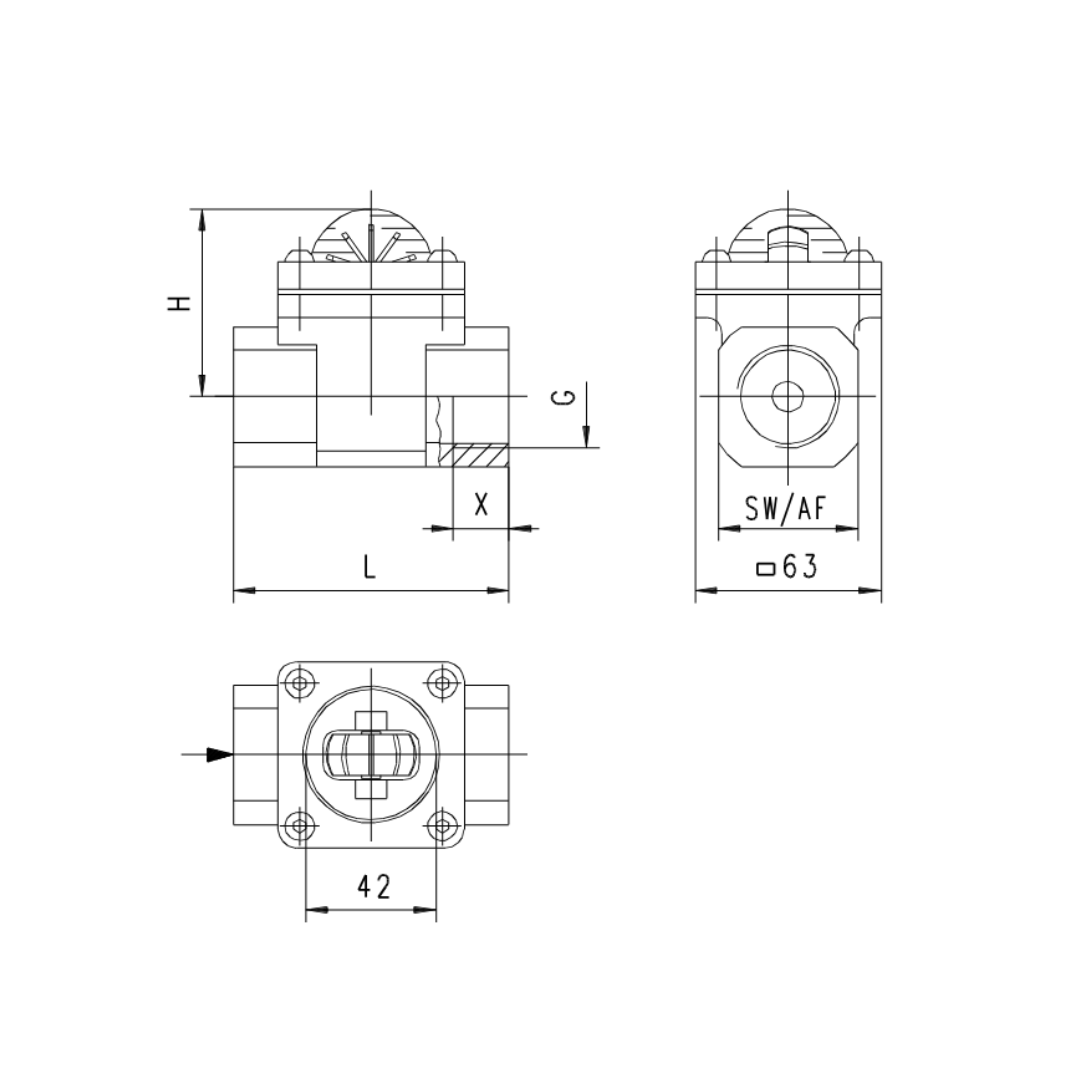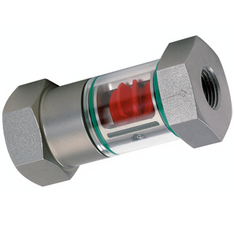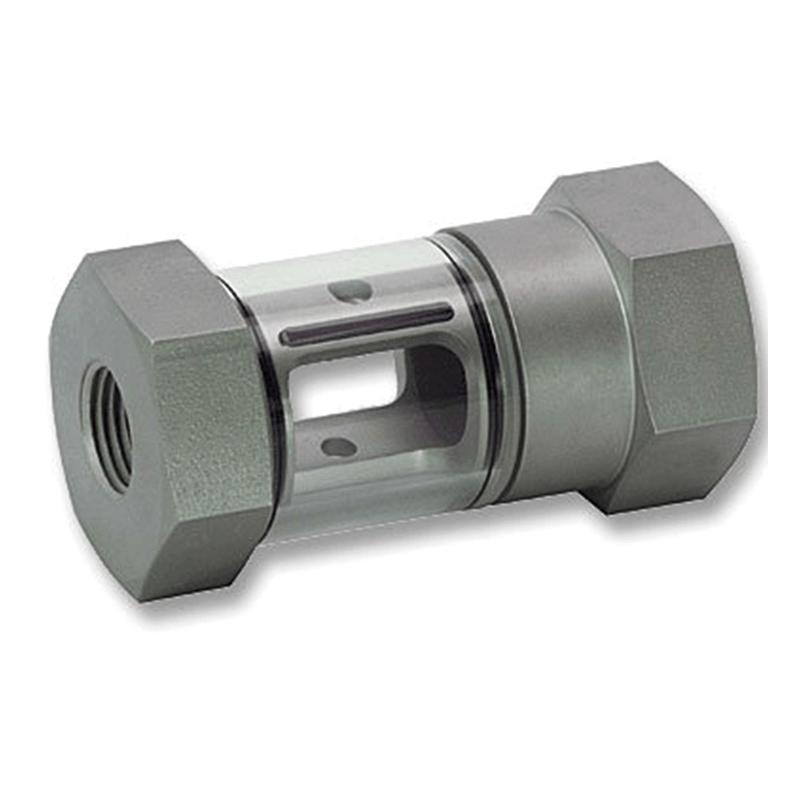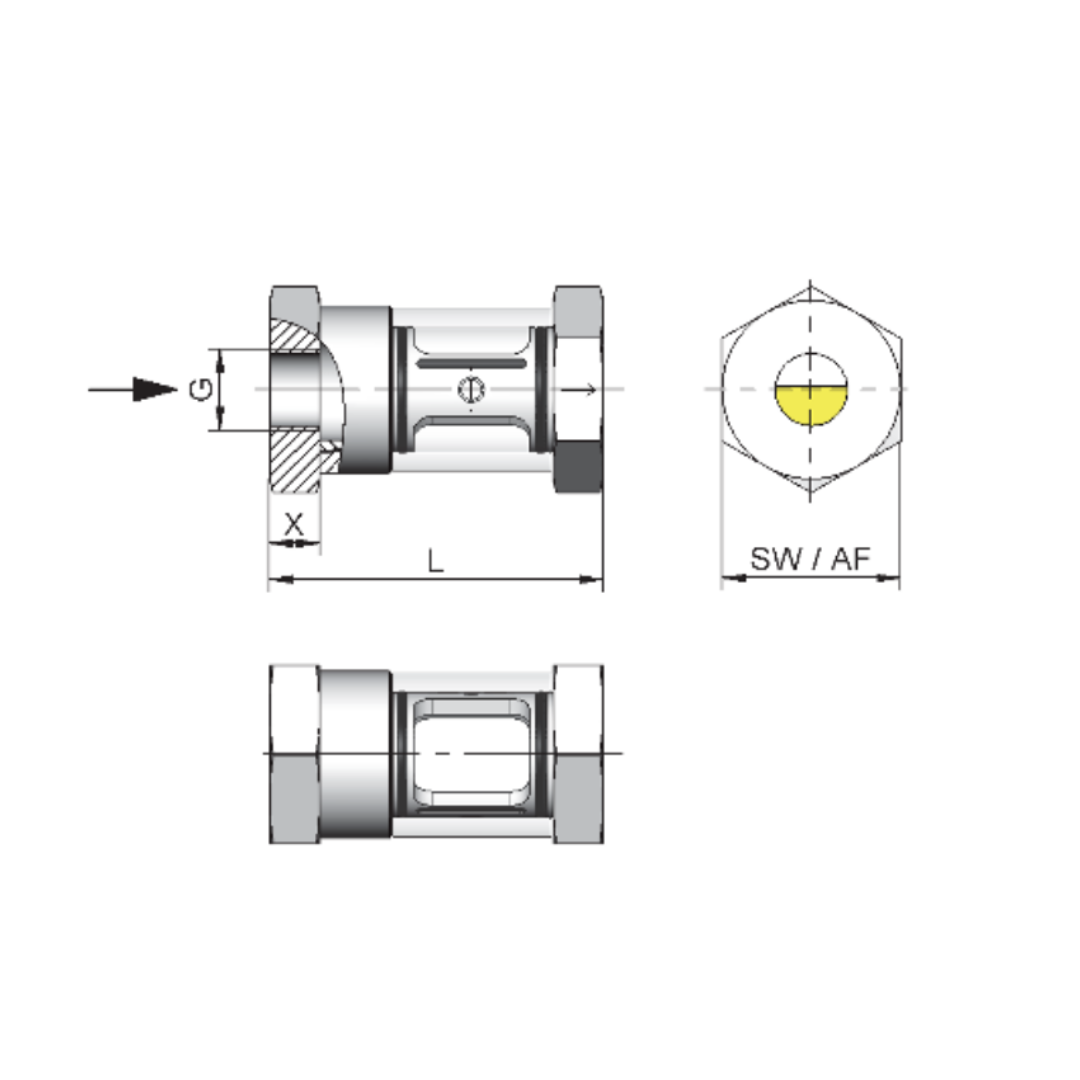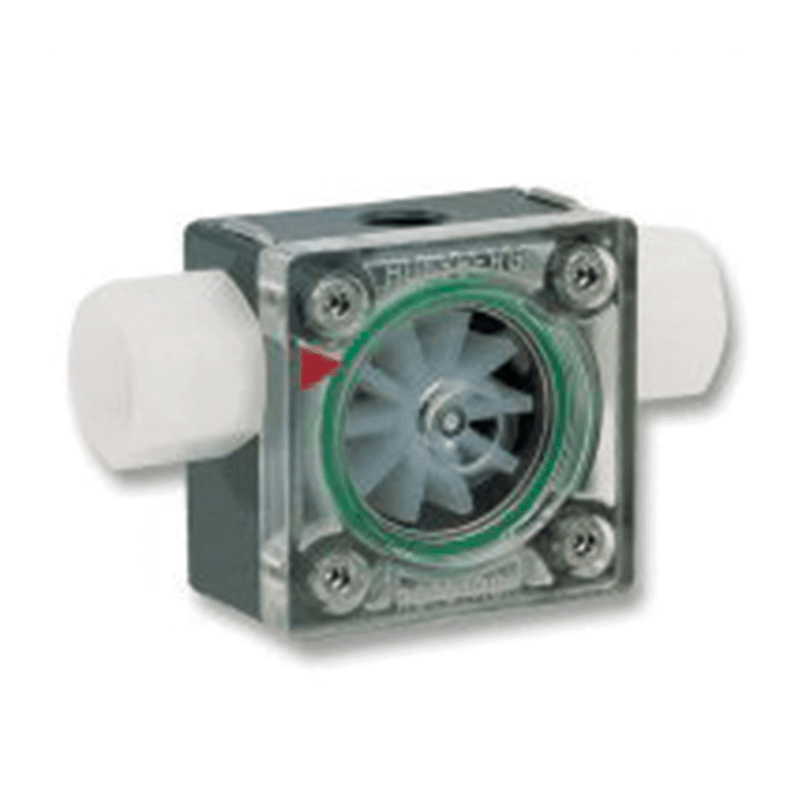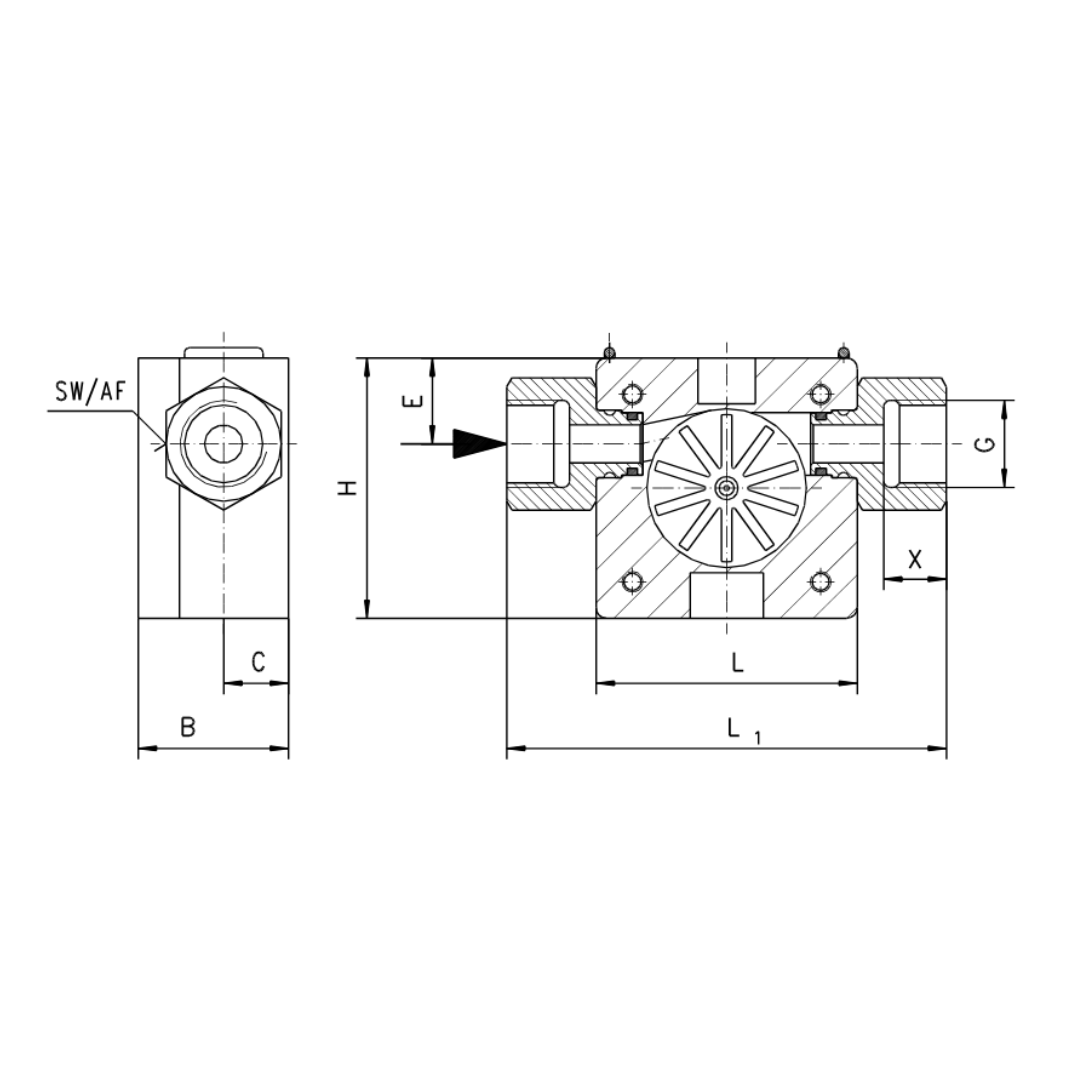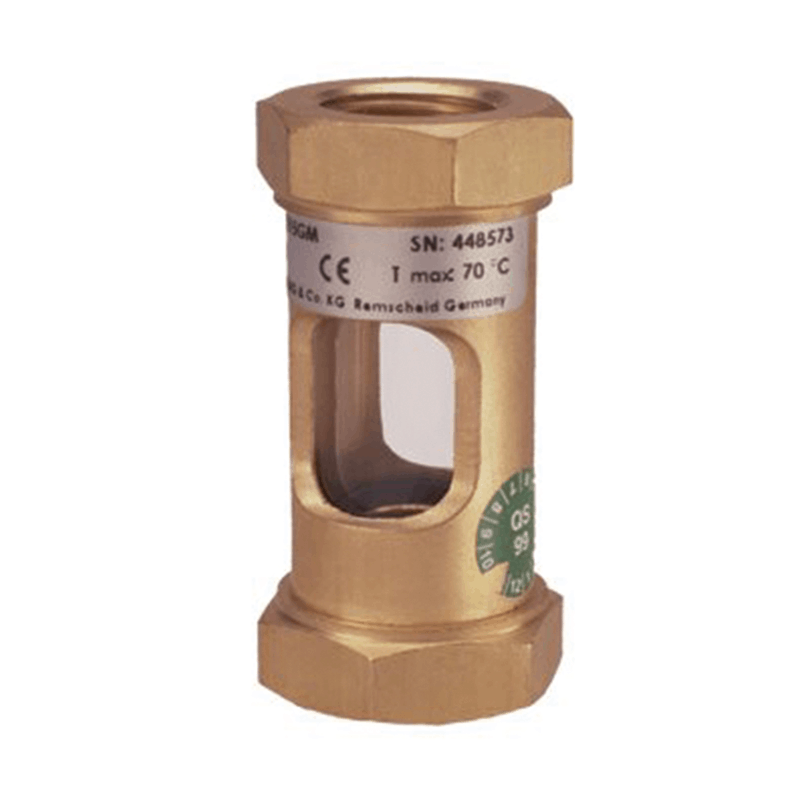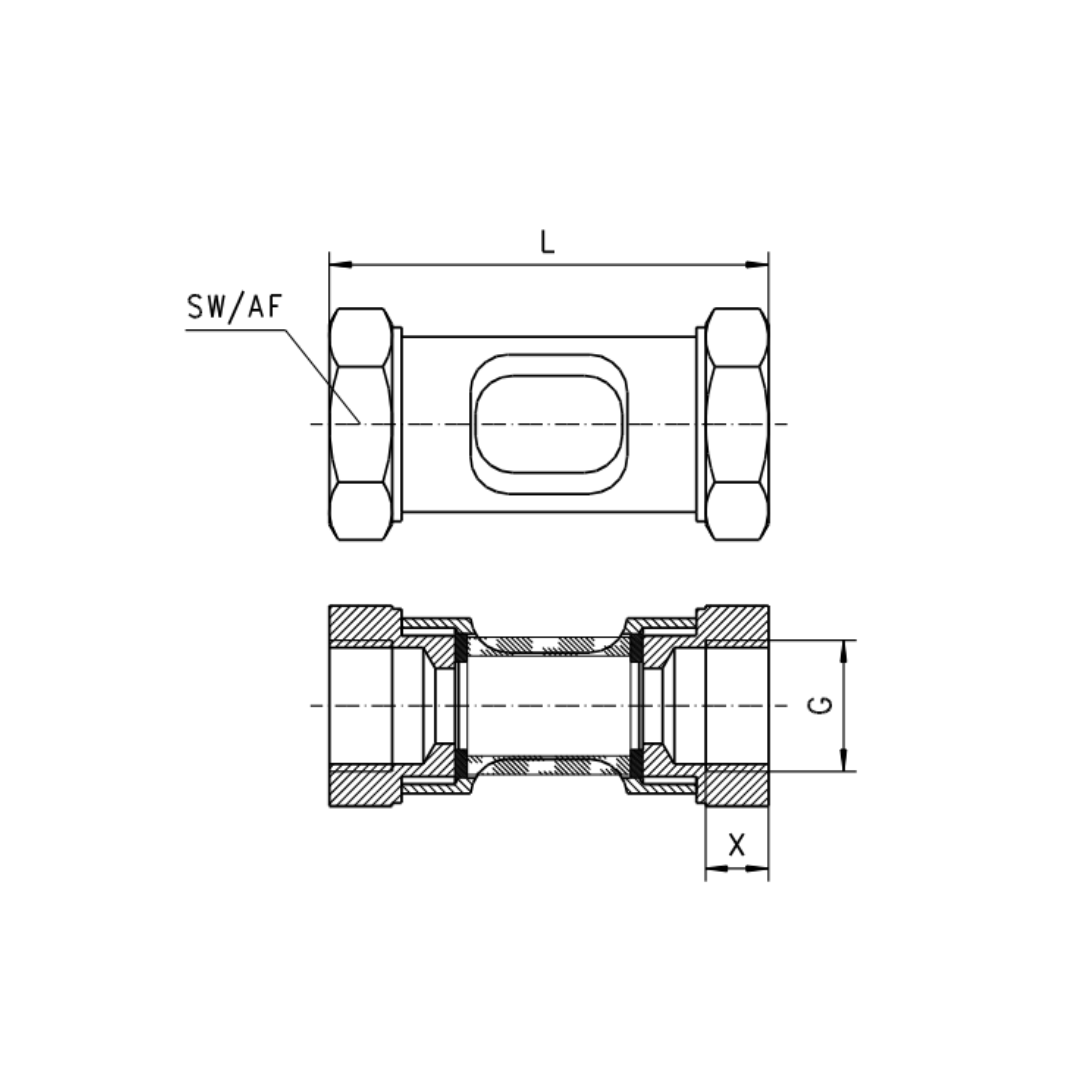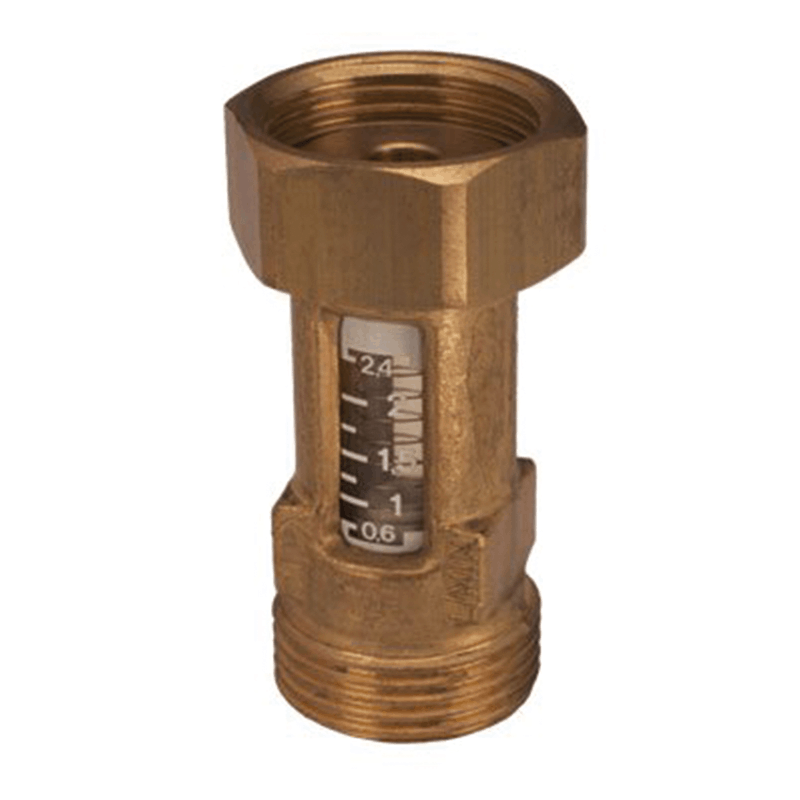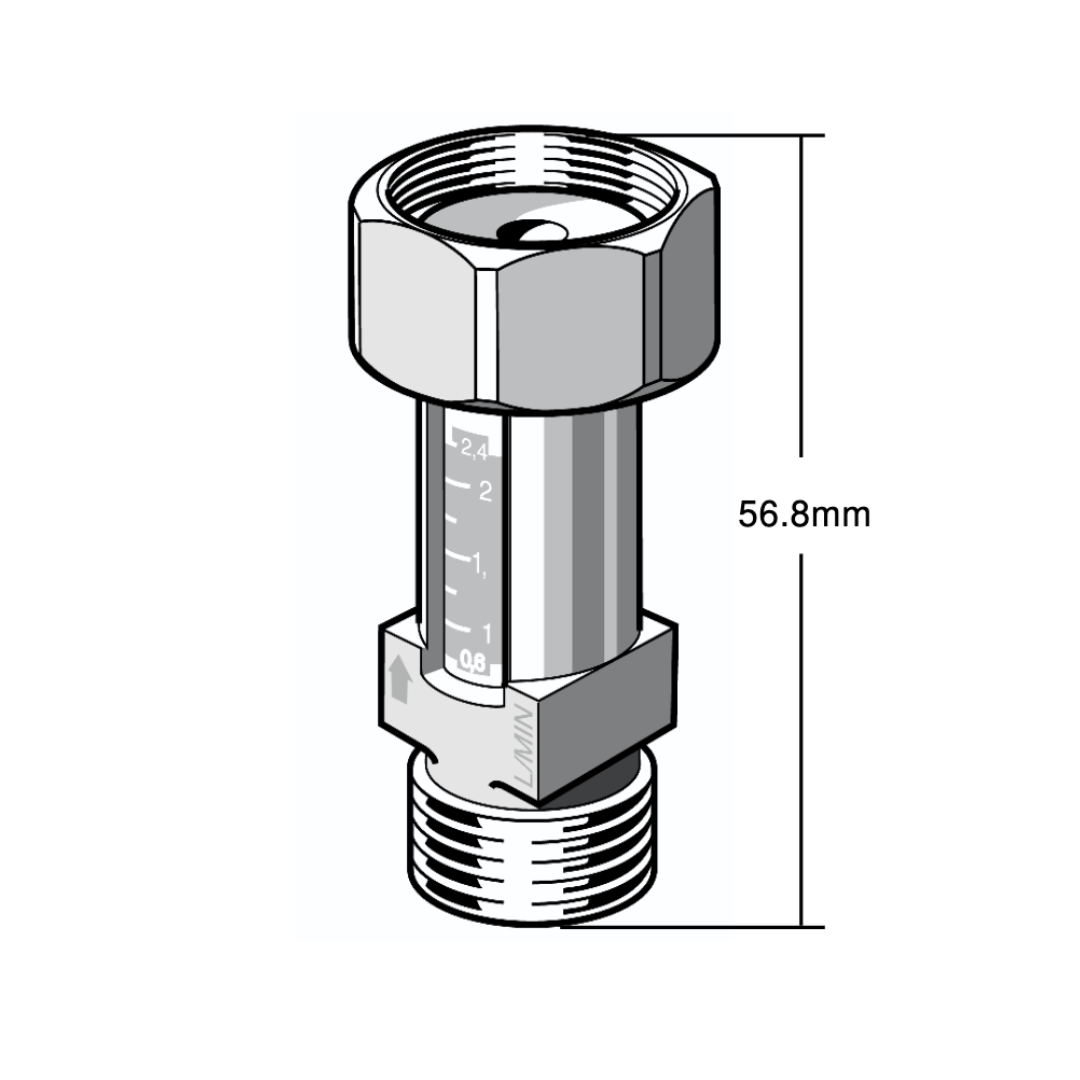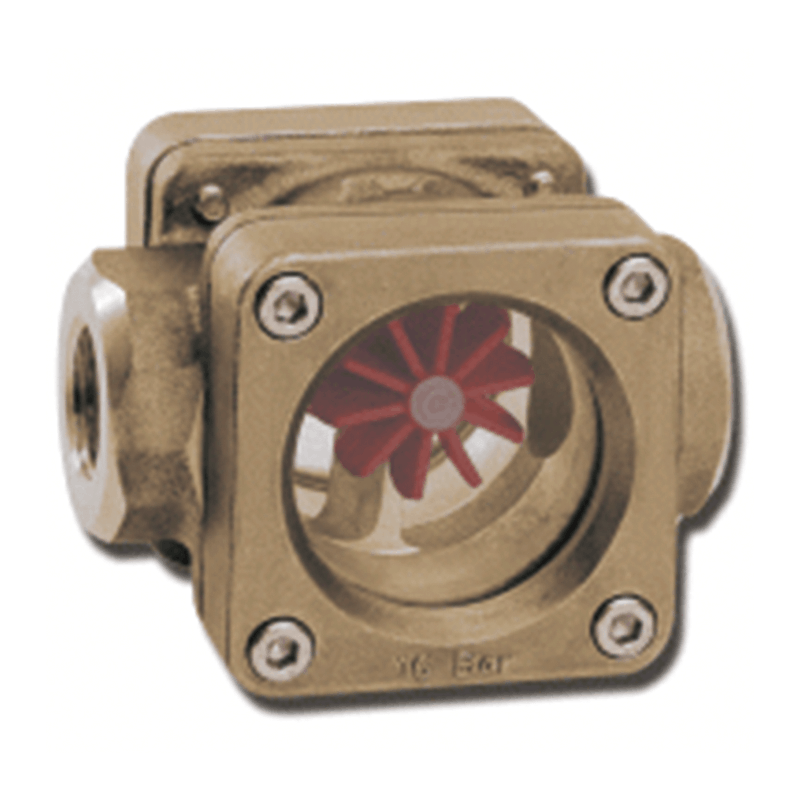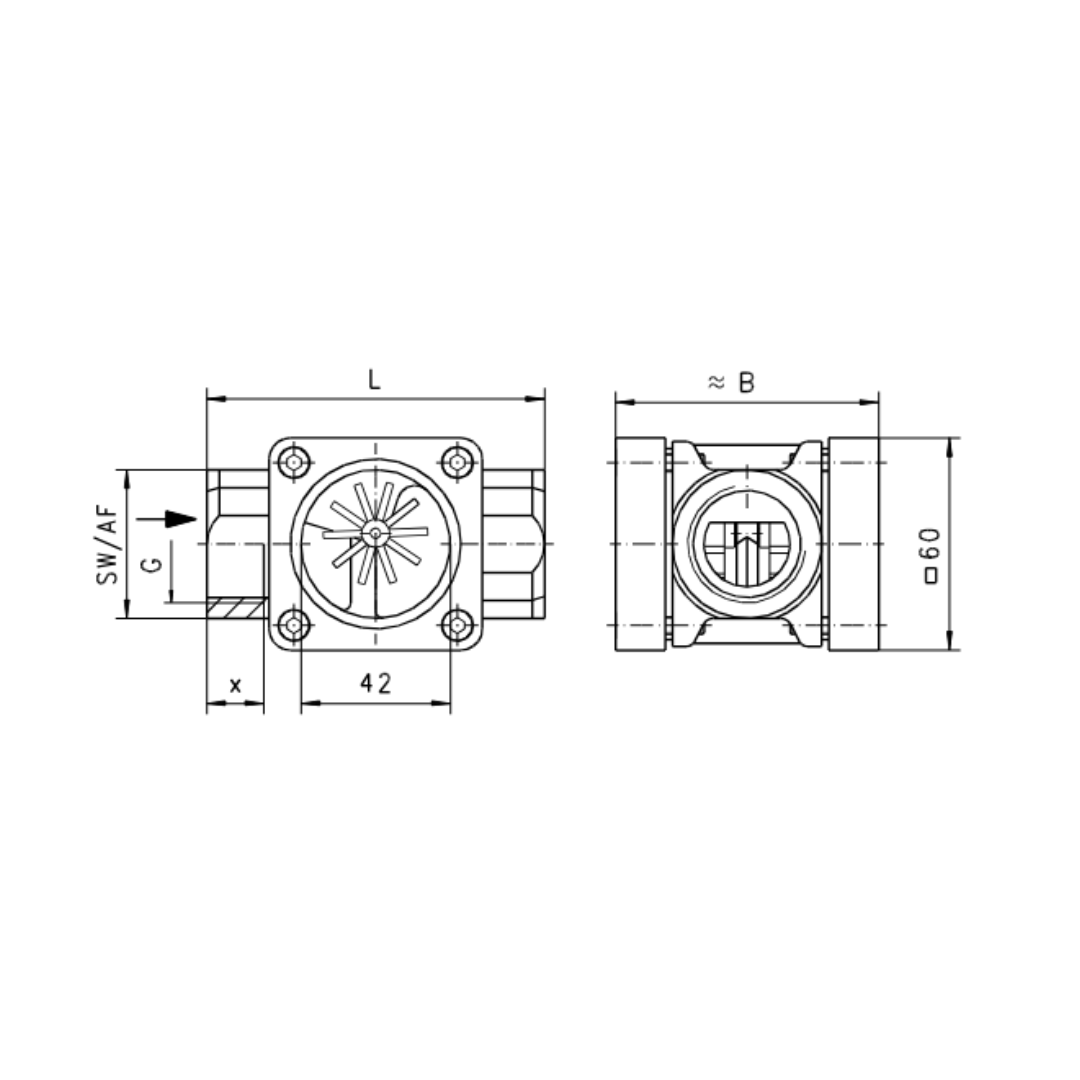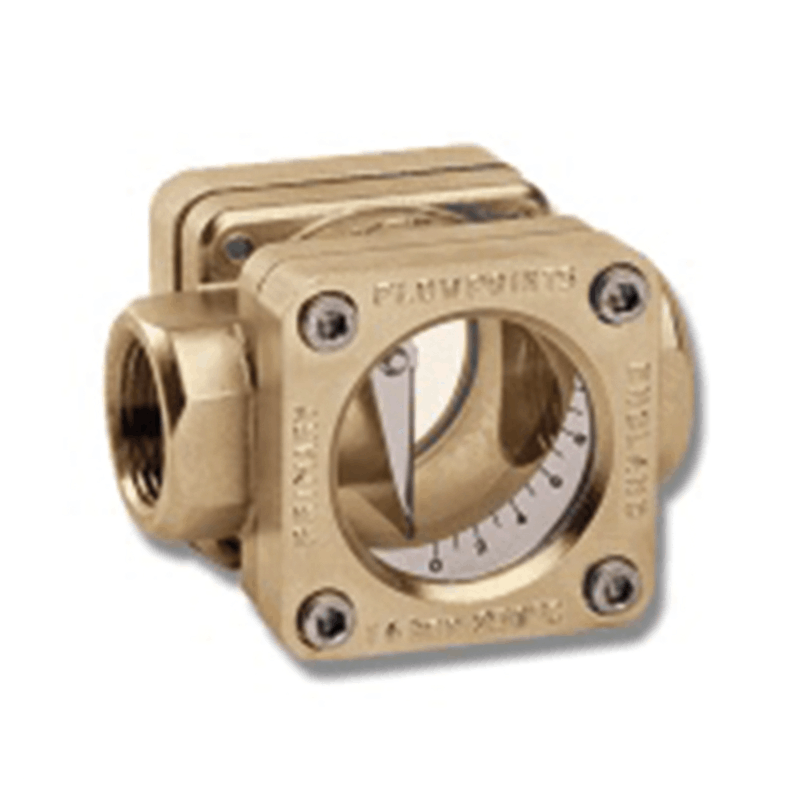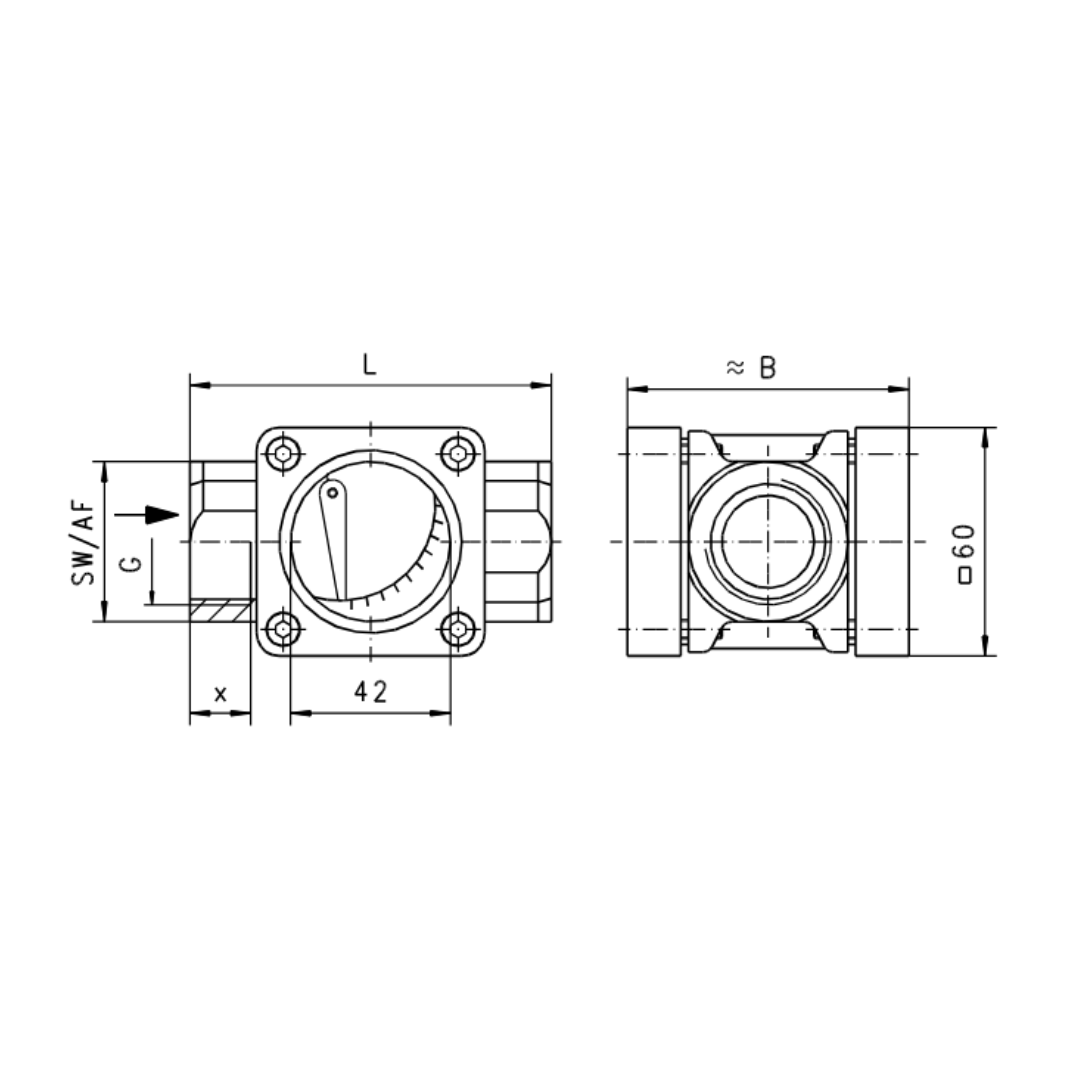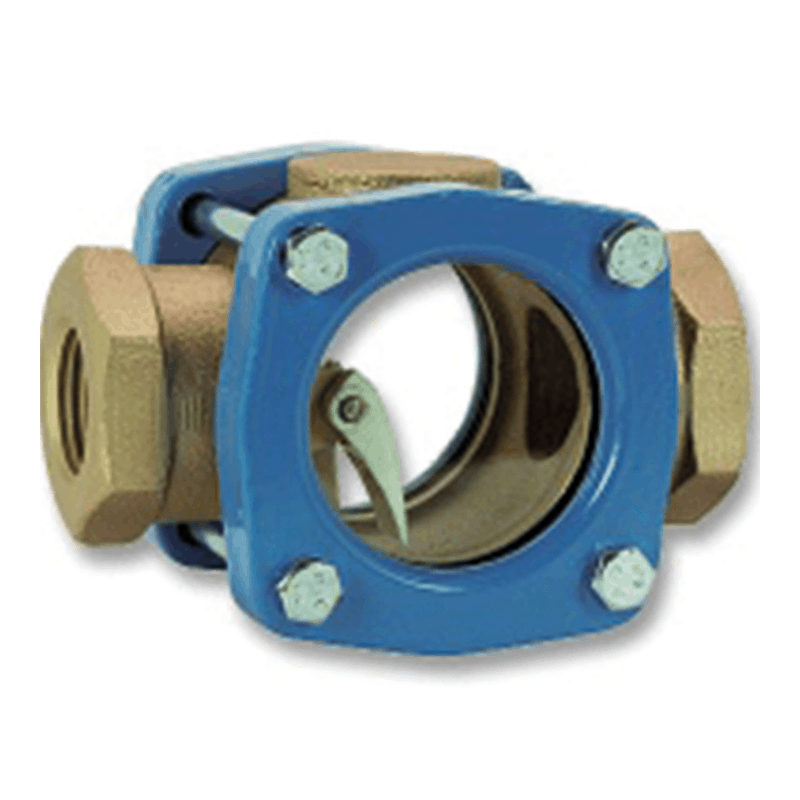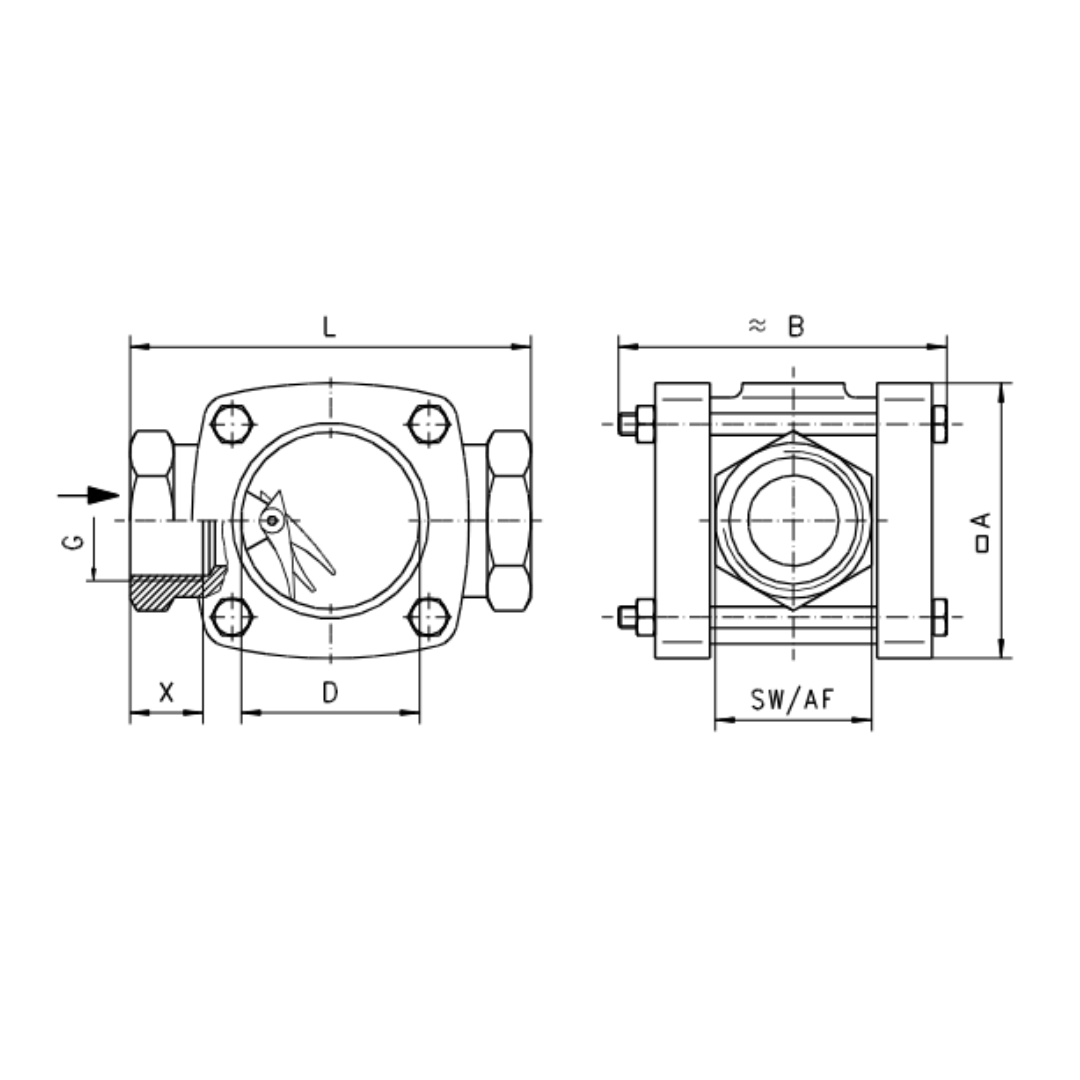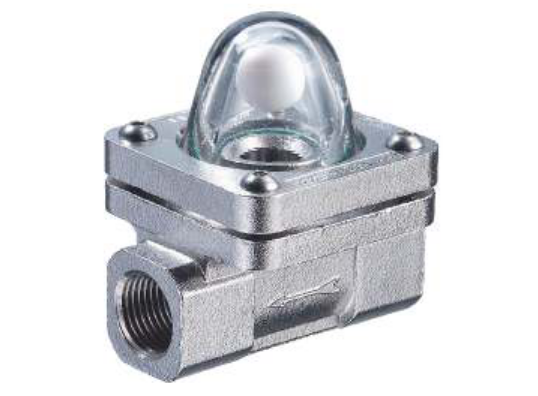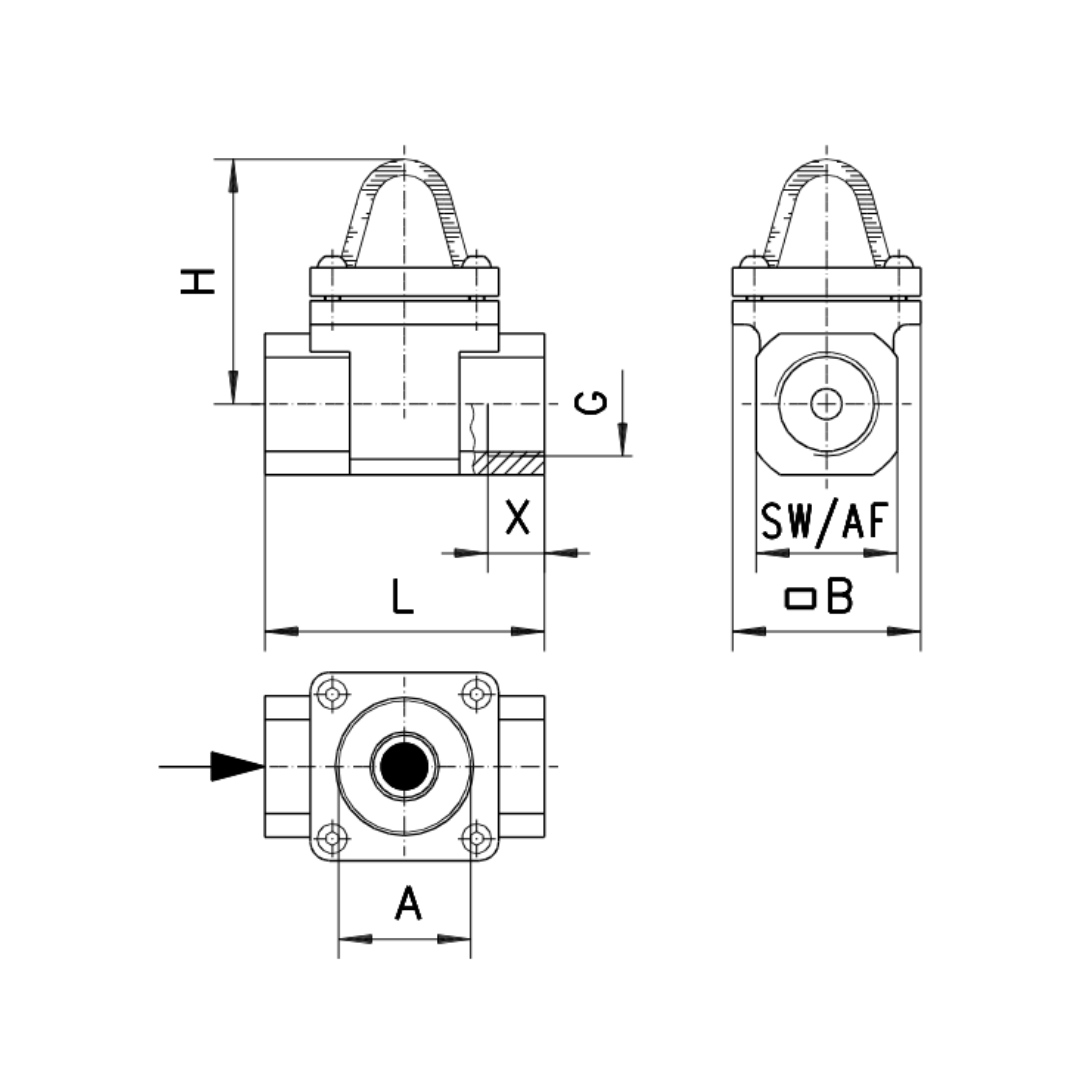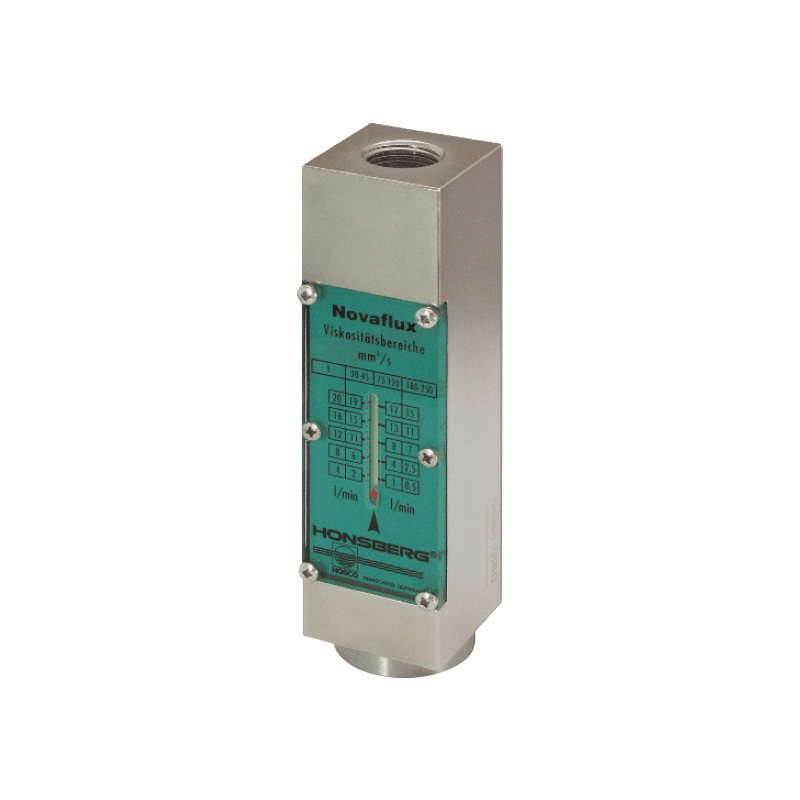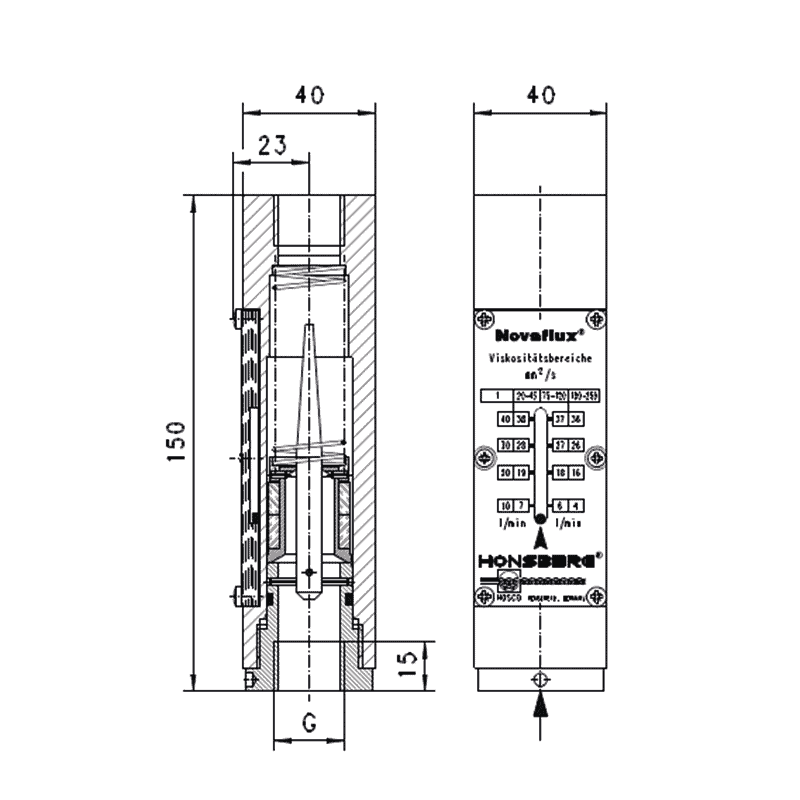

A flow indicator provides a visual into pipelines or sealed vessels, allowing the user to see immediately if flow is occurring and to observe the flow's colour, volume, and condition.
Flow indicators can be mechanical or electronic. Likewise, they can be online or external. In-line, they are when inside the pipe or interacting directly with the fluid.
Mechanical Flow Indicator
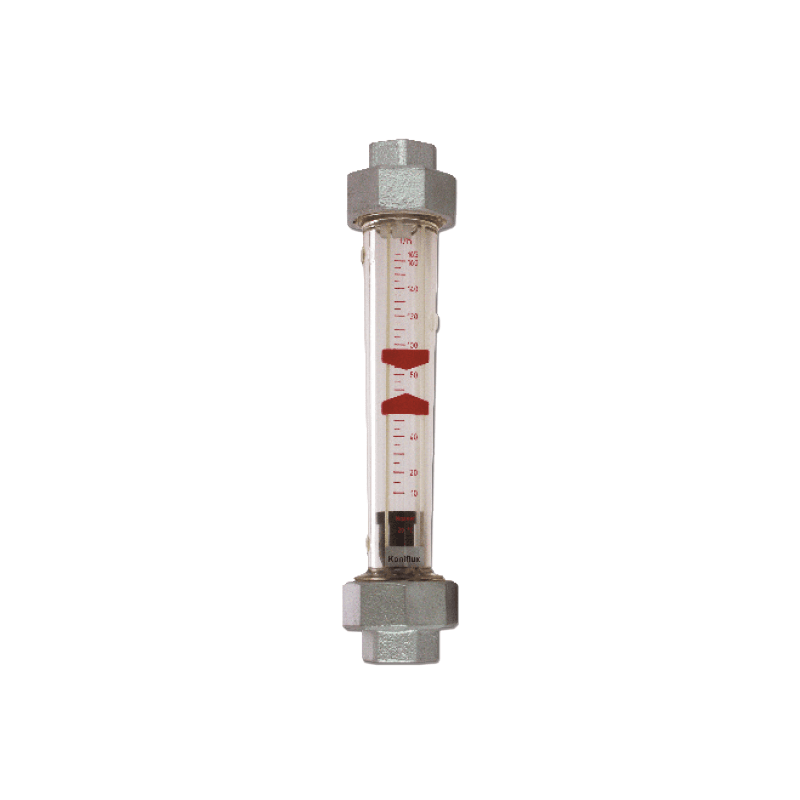
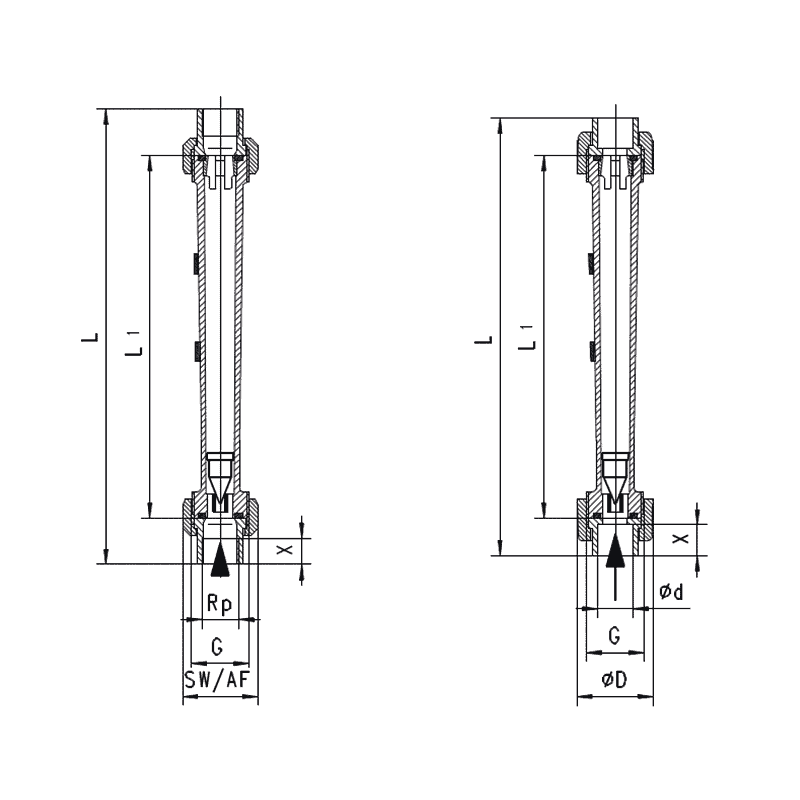
The rotameter, which can be read using an analogue scale or a tube, is the most common type of mechanical flow indicator. Some rotameters provide an electrical output signal as well.
Electronic Flow Indicator
Electronic flow indicators produce an analogue (usually 4-20 mA) or digital output signal. That is why electric flowmeters are used in industrial process control, automation, and monitoring systems, though they can also be used to display flow on a screen in the field.
How Does a Flow Indicator Work?
The operation of a flow indicator is determined by the type of indication it provides. Flow indicators work on the same basic principle. Flow through the devices generally moves something or nothing in the case of a simple sight glass.
The flow usually moves a ball or spins a paddle wheel. Flaps, chains, and other unusual moving mechanisms are also employed. If no mechanism is present, the flow can still be verified by closely inspecting the glass tube to see if there is flow. A flow indicator with a moving mechanism can be visible from a greater distance.
PVL Flow Indicators
Pressure Vacuum Level Ltd has been selling high-quality flow indicators for over 28 years. PVL provides these devices for various industries.
Don't hesitate to contact us if you have any questions about our flow indicators or other products.
Other Products
PVL customers can rely on us for high-quality products. Flow Indicators are only a handful of the products we provide customers across the United Kingdom. We are also a significant supplier of Vacuum Switches and Transducers.